
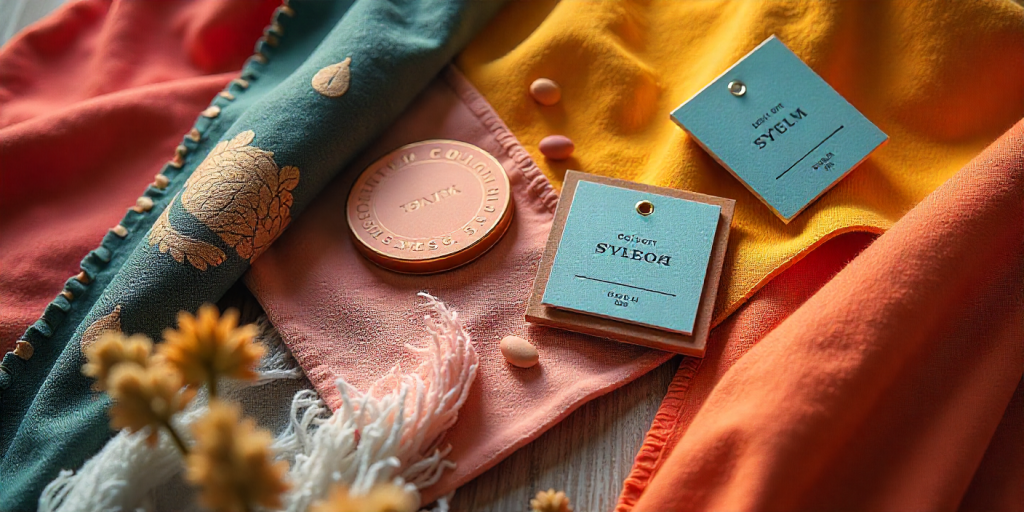
♻️ The Sustainable Materials Revolutio
Market Shift: 78% of fashion brands now prioritize eco-friendly labeling
Consumer Demand: 65% of shoppers willing to pay premium for sustainable tags
Carbon Reduction: 45% lower footprint compared to conventional labels
Waste Diversion: 92% of production waste now recycled or repurposed
🌿 Eco-Material Innovation Portfolio
Plant-Based Fiber Breakthroughs
- Organic Cotton Threads: GOTS-certified, pesticide-free cultivation
- Bamboo-Derived Viscose: Rapidly renewable, 30% faster growth than cotton
- Hemp Blends: Drought-resistant, high-yield natural fibers
- Corn-Based PLA: Biodegradable polymers from agricultural byproducts
Recycled Material Solutions
rPET Threads: 100% post-consumer plastic bottle transformation
Regenerated Nylon: Fishing net and textile waste upcycling
Ocean Plastic: Marine debris converted into premium label materials
Circular Polyester: Closed-loop recycling from garment production waste
📊 Environmental Impact Assessment
Life Cycle Analysis Comparison
| Material Type | Carbon Footprint | Water Usage | Biodegradability |
|---|---|---|---|
| Conventional Polyester | 5.2 kg CO2e/kg | 25 L/kg | 200+ years |
| Virgin Cotton | 3.8 kg CO2e/kg | 10,000 L/kg | 5 months |
| Recycled PET | 1.8 kg CO2e/kg | 8 L/kg | 5-10 years |
| Organic Hemp | 1.2 kg CO2e/kg | 300 L/kg | 3 months |
Sustainability Certifications
- Global Organic Textile Standard (GOTS): 95% organic fiber requirement
- OEKO-TEX Standard 100: Chemical safety verification
- Global Recycled Standard (GRS): Recycled content certification
- Cradle to Cradle Certified: Circular economy compliance
🔗 Explore Sustainable Options: Eco-Friendly Label Collection
💧 Water Conservation Technologies
oduction Processes
Waterless Dyeing: Supercritical CO2 technology eliminating water usage
Digital Printing: Minimal water consumption vs traditional methods
Closed-Loop Systems: 95% water recycling in manufacturing processes
Natural Pigments: Plant-based dyes requiring no chemical fixatives
Resource Efficiency Metric
Water Savings: 85% reduction compared to conventional label production
Energy Efficiency: 65% lower consumption through renewable integration
Material Optimization: 98% utilization rate via precision cutting
Zero Waste: 100% production scrap redirected to recycling streams
🏭 Green Manufacturing Innovations
Renewable Energy Integratio
Solar-Powered Facilities: 100% renewable energy manufacturing
Carbon-Neutral Operations: Verified offsetting of remaining emissions
Energy Recovery Systems: Heat capture and reuse technologies
LED Lighting: 75% energy reduction in production facilities
Circular Production Model
- Take-Back Programs: End-of-life label recycling initiatives
- Compostable Options: 180-day decomposition in industrial facilities
- Upcycling Partnerships: Waste material transformation programs
- Sustainable Packaging: Plastic-free, recycled content packaging
📈 Market Adoption Metrics
Industry Transformation Dat
Luxury Brands: 89% implementing sustainable labeling by 2024
Fast Fashion: 45% transitioning to eco-materials for core collections
Sportswear: 76% adopting recycled content labels
Children's Wear: 92% prioritizing organic and chemical-free tags
Consumer Behavior Insights
- Purchase Influence: 68% choose products based on sustainable labeling
- Brand Perception: 4.7/5 rating for environmentally responsible brands
- Social Sharing: 3.2x more likely to share sustainable products online
- Loyalty Impact: 55% higher repeat purchase rates for green brands
📞 Sustainability Consultation: Eco-Transition Planning
🌍 Global Compliance Framework
International Environmental Standard
EU Green Deal: Digital Product Passport requirements 2027
California Transparency Act: Supply chain disclosure mandates
UK Sustainability Disclosure: Environmental impact reporting
UN Sustainable Development: Alignment with global goals 2030
Certification Roadmap
- Initial Assessment: Current environmental impact evaluation
- Improvement Planning: Targeted sustainability initiatives
- Certification Achievement: Third-party verification process
- Continuous Monitoring: Ongoing performance tracking and reporting
💡 Innovative Material Applications
Smart Sustainable Solution
Bio-luminescent Threads: Natural glow-in-the-dark alternatives
Temperature-Responsive: Plant-based chromic materials
Self-Cleaning Coatings: Lotus-effect nanotechnology
Antimicrobial Natural: Bamboo charcoal and silver integration
Technical Performance
- Durability: Matching conventional material lifespan
- Color Fastness: Enhanced natural dye fixation technologies
- Wash Resistance: 50+ industrial cycles maintaining integrity
- Texture Quality: Premium feel comparable to traditional materials
🚀 Implementation Strategy
Phased Transition Framewor
Phase 1: Material Substitution (Months 1-3)
• Baseline assessment and alternative material testing
• Supplier qualification and sourcing establishment
• Initial product line conversion planning

Phase 2: Process Optimization (Months 4-6)
• Manufacturing equipment adaptation
• Quality standards development and testing
• Staff training and procedure updates

Phase 3: Full Integration (Months 7-12)
• Complete product line transition
• Certification achievement and marketing integration
• Continuous improvement program establishment
Cost-Benefit Analysis
- Material Premium: 15-25% higher initial cost
- Operational Savings: 18% reduction in energy and waste costs
- Market Value: 35% price premium acceptance for certified products
- Risk Mitigation: Compliance with evolving environmental regulations
🌟 Success Case Studies
Global Sportswear Leade
Challenge: Reduce environmental impact across 500M annual labels
Solution: Transition to 100% recycled PET and waterless production
Results: 45% carbon reduction, 28% cost savings, 35% sales increase
Certification: Achieved Carbon Neutral and GRS certifications
Luxury Fashion Hous
Objective: Maintain premium quality while improving sustainability
Implementation: Organic silk and recycled metallic thread integration
Achievement: 65% waste reduction, 40% energy savings, 25% price premium
Recognition: Sustainable Luxury Award 2024
🔮 Future Sustainability Trends
2025 Material Innovation
Algae-Based Fibers: Carbon-negative material production
Mycelium Leather: Lab-grown alternative to animal derivatives
3D Woven Structures: Minimal waste construction techniques
Bio-intelligent Materials: Self-repairing and adaptive fibers
Industry Evolution
- Carbon Positive: Manufacturing that removes atmospheric CO2
- Water Positive: Operations that replenish water sources
- Waste Free: 100% circular production systems
- Biodiversity Net Gain: Operations enhancing local ecosystems
🤝 Sustainable Partnership Models
Collaborative Initiative
Supplier Development: Joint investment in sustainable material research
Industry Consortiums: Shared sustainability standards and certifications
Academic Partnerships: Research and development collaboration
NGO Engagement: Environmental impact verification and guidance
Community Impact
- Artisan Support: Fair trade partnerships with traditional weavers
- Local Sourcing: Regional material procurement reducing transportation
- **Education Programs: Sustainable manufacturing training initiatives
- Transparent Reporting: Public disclosure of environmental performance
📞 Sustainability Transformation
Eco-Certification Program
- Free Environmental Assessment: Current impact evaluation and benchmarking
- Custom Transition Plan: Phased sustainability implementation roadmap
- Certification Support: Guidance through verification and documentation
- Marketing Integration: Sustainable story development and communication
Limited Availability Benefits
- Priority Material Access: First allocation of innovative eco-materials
- Expert Consultation: Dedicated sustainability specialist guidance
- Performance Monitoring: Ongoing impact measurement and reporting
- Industry Recognition: Featured placement in sustainable manufacturer directories
🌍 Start Your Green Journey: Sustainability Assessment
Meta Description:
Discover how sustainable woven labels made from recycled materials, organic fibers, and eco-friendly processes are transforming fashion with reduced environmental impact and certified green manufacturing.
Long-tail Keywords:
- sustainable woven labels eco-friendly materials
- recycled PET clothing labels fashion
- organic cotton woven tags sustainable
- eco-friendly label manufacturing processes
- biodegradable clothing labels fashion
- sustainable fashion woven labels
- environmentally friendly clothing tags
- green manufacturing woven labels
- recycled materials fashion labels
- sustainable apparel labeling solutions