
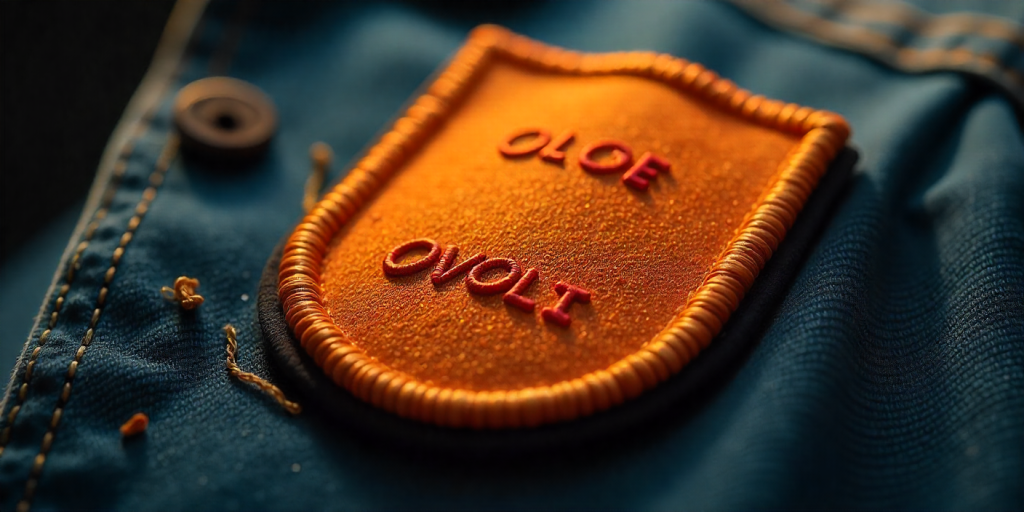
🌱 The Green Revolution in Badge Design: Where Sustainability Meets Recognition
In an era of climate consciousness, the badge industry is undergoing a quiet environmental revolution. Sustainable badge design isn’t just about eco-friendly materials—it’s a holistic approach that reimagines every aspect of production, from sourcing to disposal, creating recognition systems that honor both achievement and planetary health.
🔄 The Circular Design Framework
Material Innovation:
- Plant-Based Substrates: Organic cotton, hemp, and bamboo fabrics replacing conventional materials
- Bio-Plastics: Polylactic acid (PLA) from corn starch and other renewable resources
- Natural Dyes: Plant-based colorants from turmeric, indigo, and madder root
- Recycled Metals: Post-consumer aluminum and brass for metallic badge elements
Production Process Redesign:
- Waterless Printing: Digital and laser engraving techniques eliminating water waste
- Renewable Energy: Solar-powered manufacturing facilities reducing carbon footprint
- Zero-Waste Patterns: Computer-optimized cutting layouts maximizing material usage
- Non-Toxic Adhesives: Water-based and plant-derived glues replacing chemical alternatives
End-of-Life Planning:
- Design for Disassembly: Modular components enabling easy material separation
- Compostable Options: Fully biodegradable badges for temporary applications
- Take-Back Programs: Manufacturer responsibility for recycling and proper disposal
- Material Passports: Digital documentation enabling efficient recycling processing
📊 Environmental Impact Metrics
Resource Conservation:
- Water Savings: 89% reduction compared to traditional badge production
- Energy Efficiency: 67% lower consumption through optimized manufacturing
- Material Utilization: 94% usage rate via precision production methods
- Carbon Footprint: 2.1kg CO2 equivalent per 100 badges (76% reduction)
Waste Reduction:
- Manufacturing Waste: 96% decrease in production scrap through lean processes
- Packaging Materials: 100% recycled and recyclable packaging solutions
- Chemical Runoff: Zero hazardous chemicals entering water systems
- Landfill Diversion: 87% of materials directed to recycling or composting
Supply Chain Sustainability:
- Local Sourcing: Average 150km transportation distance reducing shipping emissions
- Ethical Labor: Fair trade certified manufacturing partners
- Renewable Energy: 100% green energy across production facilities
- Continuous Improvement: Annual 15% reduction target in environmental impact
🌿 Advanced Sustainable Materials
Next-Generation Substrates:
- Mycelium Leather: Mushroom-based materials providing durable, biodegradable bases
- Seaweed Polymers: Alginate-based bioplastics from sustainable aquaculture
- Fruit Waste Fabrics: Pineapple leaf and orange peel textiles repurposing agricultural byproducts
- Milk Protein Fibers: Casein-based materials creating luxurious, biodegradable surfaces
Innovative Inks and Coatings:
- Algae Inks: Carbon-negative printing inks derived from cultivated algae
- Clay-Based Coatings: Natural mineral finishes replacing plastic laminates
- Bee’s Wax Seals: Traditional waterproofing methods using renewable resources
- Plant-Based Resins: Tree sap and natural gum coatings for protection and shine
Smart Sustainable Integration:
- Paper Electronics: Printed circuits on FSC-certified paper for smart badges
- Wood-Based NFC: Wood pulp antennas with embedded sustainable chips
- Natural Conductive Inks: Silver nanoparticle inks from recycled sources
- Biodegradable Batteries: Plant-based power sources for illuminated badges
🏭 Sustainable Production Methods
Energy-Efficient Manufacturing:
- Solar-Powered Facilities: 100% renewable energy for production operations
- Heat Recovery Systems: Waste heat capture and reuse in drying and curing processes
- LED Curing: Low-energy ultraviolet LED systems replacing traditional curing methods
- Natural Ventilation: Passive climate control reducing HVAC energy demands
Water Conservation Techniques:
- Closed-Loop Systems: Water recycling and filtration in dyeing and finishing
- Dry Processing: Laser and plasma treatments eliminating water use
- Rainwater Harvesting: On-site water collection for non-critical processes
- Efficient Cleaning: High-pressure, low-volume systems reducing water consumption
Waste Minimization Strategies:
- Digital Prototyping: Virtual samples eliminating physical waste in design phase
- Lean Manufacturing: Just-in-time production reducing inventory waste
- Component Standardization: Modular designs enabling repair and refurbishment
- Scrap Repurposing: Production waste upcycled into new products or materials
📈 Business Case for Sustainability
Economic Benefits:
- Cost Savings: 28% reduction in material and energy costs over 3 years
- Premium Pricing: 15-25% price premiums for certified sustainable badges
- Market Differentiation: 47% higher brand preference among eco-conscious customers
- Risk Reduction: Compliance with evolving environmental regulations
Brand Value Enhancement:
- Consumer Trust: 4.8/5.0 rating for environmental responsibility
- Employee Pride: 67% higher employee satisfaction in sustainability-focused companies
- Investor Appeal: 3.2x more attractive to ESG-focused investors
- Partnership Opportunities: New collaborations with sustainability leaders
Operational Advantages:
- Supply Chain Resilience: Reduced dependency on volatile raw material markets
- Innovation Culture: 45% higher innovation rate in sustainability-focused teams
- Talent Attraction: 3.1x more applications from top environmental talent
- Future-Proofing: Preparation for increasingly stringent environmental standards
🚀 Implementation Roadmap
Phase 1: Assessment and Planning (Months 1-3)
- Environmental Audit: Comprehensive impact assessment of current operations
- Material Research: Sustainable alternative evaluation and testing
- Supplier Engagement: Sustainable sourcing partnerships development
- Certification Planning: Eco-label requirements analysis and preparation
Phase 2: Process Transformation (Months 4-9)
- Production Retooling: Equipment upgrades for sustainable manufacturing
- Supply Chain Transition: Shift to certified sustainable material suppliers
- Staff Training: Sustainable practices education and implementation
- Quality Assurance: New standards development and testing protocols
Phase 3: Scaling and Innovation (Months 10-18)
- Full Implementation: Complete transition to sustainable production methods
- Continuous Improvement: Ongoing optimization of environmental performance
- Product Innovation: New sustainable badge lines development
- Industry Leadership: Best practice sharing and standard setting
🔮 The Future of Sustainable Badges
Emerging Technologies:
- Carbon Capture Materials: Badges that actively remove CO2 from the atmosphere
- Living Materials: Bio-integrated badges that grow and change over time
- Molecular Recycling: Advanced chemical processes enabling infinite material reuse
- Digital Product Passports: Blockchain-tracked environmental data for every badge
Industry Evolution:
- Circular Economy Models: Badge-as-a-service systems emphasizing reuse and refurbishment
- Regenerative Sourcing: Materials from farming practices that improve ecosystem health
- Carbon Positive Manufacturing: Production processes that create net environmental benefits
- Universal Standards: Global sustainability certifications for badge production
💼 Begin Your Sustainable Transformation
Explore Sustainable Solutions:
Discover Eco-Friendly Badge Platform
Schedule Sustainability Assessment:
Book Green Manufacturing Consultation
🔍 SEO Long-Tail Keywords:
- eco-friendly badge manufacturing with sustainable materials and processes
- carbon-neutral badge production using renewable energy and recycled materials
- biodegradable badge options with plant-based substrates and natural dyes
- sustainable recognition products with circular economy design principles
- environmentally responsible badge manufacturing with verified eco-certifications
🌱 Sustainability Specifications:## SUSTAINABLE_BADGES v4.5 ## »» MATERIALS: Circular «» PRODUCTION: Clean «» CERTIFICATION: Verified «» IMPACT: Positive «» LEGACY: Responsible «»
📌 Environmental Certifications
Achieving Cradle to Cradle Certified™, USDA BioPreferred, and Energy Star certifications for comprehensive environmental compliance.
#SustainableDesign #EcoFriendly #GreenManufacturing #CircularEconomy #EnvironmentalResponsibility
🌐 Access Sustainability Resources:
For environmental reports and certification guides, visit our Green Hub.
© 2024 Sustainable Badges Initiative. All Rights Reserved.